Found Your Pet? Now Comes the Awkward Part: How to Handle That First Conversation With the Finder
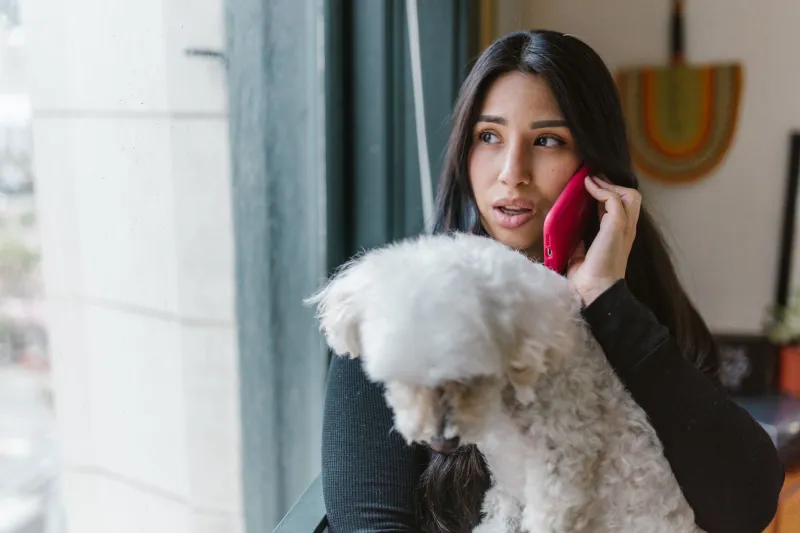
You've been posting flyers, refreshing lost pet groups at midnight, and walking your neighbourhood with a flashlight. Then your phone buzzes. Someone says they have your dog. Or your cat. Or your rabbit that squeezed through a gap in the fence three days ago.
The wave of relief is immediate. But what comes next? That first conversation with a stranger who has your animal is one of the most emotionally loaded exchanges you'll ever stumble through — and almost nobody prepares for it.
This is the skill no one talks about in pet recovery guides. Let's change that.
Why That First Call Is Harder Than It Sounds
When emotions are running hot — and they will be — it's easy to either overshare or come across as demanding. Some owners, desperate and exhausted, launch straight into: "That's my dog, I'll be there in ten minutes." Others get so overwhelmed they forget to ask basic questions at all.
The person on the other end of that call is a stranger. They may be warm and wonderful, or they may be cautious and a little suspicious of you. They've been caring for an animal that isn't theirs, possibly for days. They have feelings about this too.
Approaching the conversation with some structure — even just a rough mental script — helps both sides feel safer and gets your pet home faster.
Start With Gratitude, Not Urgency
Your first instinct might be to jump straight to logistics. Resist it. Lead with genuine thanks.
Something like: "Thank you so much for reaching out — we've been so worried. I really appreciate you taking the time to call."
This isn't just politeness. It sets the tone. Finders who feel acknowledged are more relaxed, more cooperative, and more likely to work with you rather than become guarded. In Alberta, where communities can be tight-knit — especially in smaller cities like Red Deer, Lethbridge, or rural areas — the person on the phone might even be a neighbour or someone who knows someone you know. Starting on a warm note matters.
Ask Verification Questions Before You Confirm Anything
Here's the part that feels strange but is genuinely important: don't confirm it's your pet right away. Ask questions that only the real owner — or someone who actually has the animal — could answer correctly.
Try:
- "Can you describe the animal to me? Colouring, markings, size?"
- "Is there anything unusual you noticed — like a specific patch of fur, a scar, or the way they behave?"
- "What is the animal doing right now — are they eating, hiding, calm?"
This serves two purposes. First, it confirms the finder genuinely has your pet and isn't running a scam (unfortunately, lost pet fraud does happen, particularly around purebred dogs). Second, it gives you real-time information about how your animal is doing, which helps you prepare emotionally and practically for the reunion.
If the person gets defensive about being asked questions, stay calm and explain: "I just want to make sure we're talking about the same animal — I've had a few calls this week." That's a reasonable, non-accusatory way to frame it.
Share Just Enough to Confirm — Not Everything
Once you've heard their description, offer a detail or two that confirms ownership without handing over your entire pet profile. A distinctive marking, a microchip number, or a medical detail works well.
Avoid rattling off every identifying feature immediately. If someone is attempting a scam, giving them all the answers upfront makes it easy for them to play along. Let the conversation unfold naturally.
Navigating Tension When the Finder Is Attached
This happens more than people expect. Someone finds a stray, spends a week feeding and caring for them, and by the time the owner calls, they've named the animal and the kids are in love with it.
If you sense hesitation or emotional attachment on the other end, acknowledge it directly:
"It sounds like you've really taken care of them — that means so much to us. They're lucky they found you."
This isn't manipulation; it's empathy. The finder did something kind. Recognizing that disarms tension and reminds them that the right thing — returning the pet — is also the good thing.
If the situation escalates or the finder becomes reluctant to return your animal, stay calm and avoid threats. Document the conversation if you can. Alberta law is clear that a found animal must be returned to its rightful owner, and resources like local animal services or a non-emergency RCMP line are available if things go sideways. But most situations don't get there — a patient, respectful conversation usually resolves things.
Agreeing on the Handoff
Once you've confirmed it's your pet and the finder is cooperative, nail down the logistics clearly:
- Location: Suggest a neutral, public spot if you don't know this person, especially if you're meeting for the first time. A vet clinic parking lot, a busy park, or a pet store works well. If they're local and you're comfortable, their home or yours is fine too.
- Timing: Be specific. Vague plans fall apart. "I can be there by 3:00 PM — does that work?" is better than "sometime this afternoon."
- What to bring: Ask if your pet needs anything — food, a familiar blanket, a carrier. This also signals to the finder that you're a responsible owner who actually knows their animal.
If you're offering a reward, mention it now. Don't wait until the handoff, because it can feel awkward or transactional in person. A simple "We'd love to give you something to say thank you — we'll bring it when we come" is enough.
After the Call, Before You Go
Give yourself a minute before you jump in the car. Write down what they told you — the address, the time, any details about your pet's condition. If your pet has been missing for several days, they may be dehydrated, injured, or stressed. Think about whether a quick vet check makes sense before or after the reunion.
Let someone know where you're going, especially if you're meeting a stranger at an unfamiliar location. It's a basic safety step that's easy to skip when you're rushing out the door on adrenaline.
The Conversation Is a Skill Worth Practising
Most Alberta pet owners will never think about this until they're in the middle of it, phone in hand, heart pounding. But like any skill — whether it's parallel parking or reading a map — a little preparation makes a stressful moment a lot more manageable.
The person who found your pet took time out of their day to do the right thing. How you show up in that first conversation shapes whether the reunion goes smoothly or sideways. A bit of calm, a bit of gratitude, and a few smart questions can make all the difference.
Your pet made it through. Now it's your turn to bring them the rest of the way home.