Build Your Pet's Emergency ID Kit Before You Ever Need It
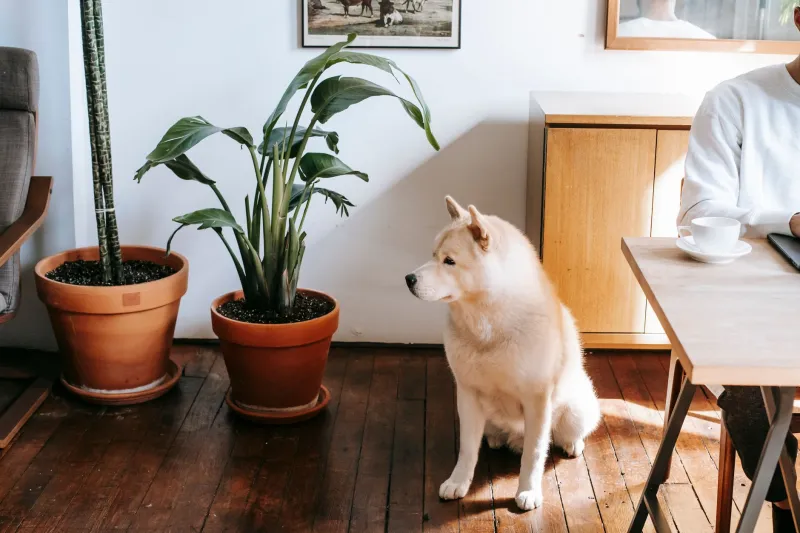
Nobody wants to think about their dog bolting through a gate or their cat slipping out during a move. But here's the uncomfortable truth: the moments right after a pet goes missing are chaotic, emotional, and fast-moving. The last thing you want to be doing is scrambling through old vet paperwork or trying to remember when your dog got his last rabies shot — all while panicking.
That's why building a pet ID kit before anything goes wrong is one of the smartest things an Alberta pet owner can do. Think of it like a go-bag for your pet. When you need it, you really need it — and having it ready can shave hours (or days) off your search.
What Exactly Is a Pet ID Kit?
A pet ID kit is a collected, organized set of documents, photos, and information that describes your pet in enough detail that anyone — a shelter worker in Edmonton, a Good Samaritan in Red Deer, a vet clinic in Lethbridge — could identify them quickly and confidently.
It's not complicated. It doesn't require a binder the size of a phone book. But it does require a little bit of intentional effort now, so you're not improvising in a crisis.
Photos: The Most Important Thing in the Kit
Let's start here, because it's where most people fall short. When a pet goes missing, the first question everyone asks is: "Do you have a photo?"
Not just any photo — a useful photo. That means:
- A clear, recent headshot showing your pet's face and eye colour
- A full-body shot from the side, showing size, build, and coat pattern
- Close-ups of distinguishing features — a torn ear, a unique patch of fur, a scar, an unusual marking, a docked tail, extra toes
- A photo of you with your pet — this one matters for proving ownership if there's ever a dispute
Update these photos at least once a year, or any time your pet's appearance changes significantly (after a haircut, after an injury heals, after significant weight change). A photo of your fluffy golden retriever puppy won't help much when she's three years old and looks completely different.
Veterinary Records and Medical Information
Your pet's vet records serve two purposes in a recovery situation. First, they help confirm identity — a vet can cross-reference a found animal's microchip number, vaccination history, or physical characteristics against your records. Second, they're essential if your pet ends up in a clinic or shelter that needs to provide care.
Gather and include:
- Microchip number (and the registry it's enrolled in — this is critical)
- Vaccination records, especially rabies
- Spay/neuter documentation
- Any known medical conditions, allergies, or medications
- Your regular vet's name, clinic, and phone number
- Records from any specialist vets (cardiologist, dermatologist, etc.)
If your pet takes daily medication, note the name, dosage, and frequency. A shelter or foster home that finds your diabetic cat needs to know that immediately.
Behavioural Notes: Underrated but Incredibly Useful
Here's something most people skip — and shouldn't. A short behavioural profile can dramatically help the people searching for your pet.
Consider noting:
- Is your pet friendly with strangers, or do they tend to hide or run?
- Are they food-motivated? What treats do they go crazy for?
- Do they respond to their name reliably?
- Are there sounds or situations that frighten them?
- Do they have a favourite spot they retreat to when stressed?
- Are they good with other animals, or likely to bolt if approached by a dog?
This kind of information helps searchers adjust their approach. A shy, fearful cat who hides from strangers needs to be lured with patience and familiar smells — not chased. A dog who's treat-obsessed might be coaxed out with the right snack. These details matter in the field.
Licence and Registration Info
Alberta municipalities require dogs to be licenced, and that tag is often the fastest way a finder connects a lost dog to their owner. Keep a copy of your pet's current licence number in your kit, along with the issuing municipality. If your dog loses their collar (which happens), having that number documented elsewhere is a lifesaver.
Where to Store It All
The kit only helps if you can actually access it when you need it. Here's a practical storage approach:
Digitally:
- Store everything in a cloud folder (Google Drive, iCloud, Dropbox) that you can access from your phone anywhere
- Email the folder link to yourself and a trusted friend or family member
- Save key photos directly to your phone's camera roll so they're always on hand
Physically:
- Keep a printed copy in a labelled folder at home — somewhere you and your household know to find it
- Consider keeping a smaller version (photos, microchip number, vet contact) in your car's glove box
If you're evacuating due to a wildfire or flood — both real possibilities in Alberta — grab the physical folder on your way out. Many lost pets during Alberta's wildfire evacuations were harder to recover because owners had no documentation with them.
Register Your Kit With Alberta Lost Pet Locator
One of the most powerful things you can do is upload your pet's profile and photos to Alberta Lost Pet Locator before anything happens. That way, if your pet goes missing, you're not starting from scratch — you're activating an alert with information already in the system.
The sooner a detailed, photo-backed listing goes live, the sooner your community can start helping.
A 30-Minute Task That Could Save Weeks
Setting up a solid pet ID kit takes maybe half an hour. Gather the photos, pull the vet records, jot down the behavioural notes, and save it somewhere accessible. Do it this weekend. Do it tonight.
Because if the day ever comes when your pet slips out and you're standing in your backyard calling their name into the dark — you'll want to know that the tools for getting them home are already in your hands.