Frozen Trails and Missing Tails: Keeping Your Pet Safe and Found This Alberta Winter
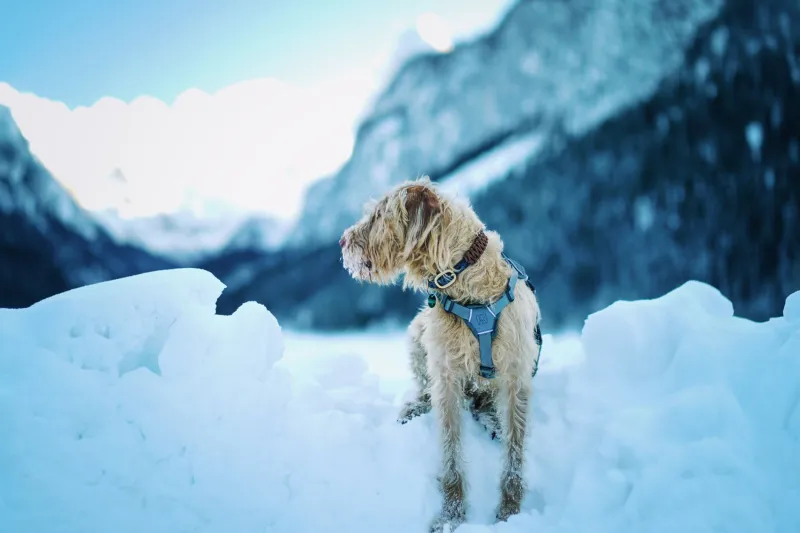
If you've lived in Alberta for more than one winter, you already know what -30°C feels like on your face. But have you ever stopped to think about what that kind of cold means for a lost dog or cat scrambling to find their way home? For most of us, a missing pet is stressful enough in July. In January, the stakes go up dramatically — and the window for a safe recovery can shrink fast.
At Alberta Lost Pet Locator, we hear from families every single winter who are blindsided by how quickly conditions can turn a manageable situation into a desperate one. So we sat down with local vets, search volunteers, and pet owners who've been through it to give you the full picture.
Why Winter Makes Everything Harder
Let's start with the basics. When a pet goes missing in warmer months, one of the most reliable recovery tools is scent. Dogs naturally follow familiar smells back toward home, and search volunteers use scent-tracking techniques to narrow down a lost animal's path. In winter, that advantage largely disappears.
"Snow acts like a reset button on scent trails," says Dr. Melissa Horne, a veterinarian based in Red Deer who has volunteered with local animal recovery groups for over a decade. "Even a light dusting can cover the tracks and odour markers a dog leaves behind. A heavy snowfall? You're essentially starting from zero."
Then there's disorientation. Alberta's notorious whiteout conditions — where blowing snow reduces visibility to almost nothing — can confuse pets just as easily as they confuse drivers. A dog that bolts during a backyard scare might run several blocks before the wind and snow completely mask any familiar landmarks. Cats, who typically rely on visual memory to navigate home, can become completely turned around in a blizzard.
Cold temperatures also affect how far a pet is willing to travel. While a lost dog in summer might roam for kilometres following their nose, a frightened animal in winter weather will often seek the nearest shelter — a neighbour's porch, under a deck, inside a garage — and hunker down. That's actually useful information for searchers, but only if they know to look in the right places.
What Volunteer Searchers Want You to Know
We spoke with Jamie Kowalski, a search coordinator who has helped recover dozens of pets across the Edmonton area over the past six years. His advice for winter searches is direct: act fast, and think small.
"People waste time posting on social media when they should be physically searching within a two-block radius," Jamie says. "In cold weather, a scared animal is going to find the closest hiding spot and stay there. They're not going to be roaming the neighbourhood. Check every porch, every shed, every vehicle undercarriage in your immediate area first."
Jamie also stresses the importance of leaving out familiar scent items near your home — a worn piece of clothing, your pet's bed, or their food dish. Even under a duvet of snow, these items can release enough scent to draw a lost animal back toward familiar territory.
Another tip that surprises many owners: don't call out frantically. "A frightened pet in survival mode may actually hide from loud noises, even from their own family," Jamie explains. "Approach quietly. Crouch down. Let them come to you if they can."
Prevention Tips Built for Alberta's Climate
Of course, the best winter recovery story is the one that never needs to happen. Here are some practical steps tailored specifically to Alberta conditions:
Reflective collars and LED tags are non-negotiable. With shorter daylight hours and frequent overcast skies, a standard collar is nearly invisible after 4:30 p.m. Reflective or light-up options make a massive difference for neighbours, drivers, and search teams spotting your pet.
Update your microchip registration before winter hits. If your contact information has changed since you first chipped your pet, now is the time to update it. Shelters and vets scan for chips as a first step — make sure the information they find is current.
Be extra cautious during storms. Loud thunder, fireworks, and — yes — the sound of a snowblower can all trigger a fear response in pets. If you know a big storm is rolling in, keep dogs on leash even in fenced yards, and make sure cats are indoors before conditions deteriorate.
Create a winter-specific lost pet plan. Know your nearest 24-hour emergency vet, have recent photos of your pet saved on your phone, and make sure your listing on Alberta Lost Pet Locator is up to date with a current photo and your contact details. A few minutes of prep can save hours of panic.
Real Stories: Found in the Cold
We don't want to leave you with just the scary stuff, because the truth is, pets do come home — even in the heart of an Alberta winter.
Last February, a family in Lethbridge lost their five-year-old Labrador mix, Biscuit, during a particularly brutal cold snap. Temperatures had dipped to -25°C with windchill, and Biscuit had slipped out through a gate that hadn't latched properly. The family posted immediately on Alberta Lost Pet Locator and blanketed the neighbourhood with flyers.
Thirty-six hours later, a retired couple two streets over noticed a dog curled up under their back deck. They'd seen the alert on our platform, recognized Biscuit from the photo, and called the family immediately. Biscuit was cold and hungry but otherwise unhurt — exactly the kind of outcome that's possible when a community rallies quickly.
"We never would have found him without the network," Biscuit's owner told us. "People were watching for him because of the alert. That's what made the difference."
Stories like this happen every winter across Alberta, in cities and rural communities alike. The common thread is always the same: fast action, community involvement, and the right tools.
Winter Is Coming — Are You Ready?
The cold doesn't have to mean hopeless. Alberta winters are tough, but Alberta pet owners are tougher. The key is preparation — having your pet's information ready, knowing how to search smart rather than just search hard, and leaning on the community around you.
If your pet goes missing this winter, Alberta Lost Pet Locator is here to help you get the word out fast. Create or update your pet's profile today, and make sure you're signed up for local alerts in your area. Because when the snow starts falling, every minute counts.