From Roaming to Safe: How Alberta's Catio Movement Is Rewriting the Rules for Outdoor Cats
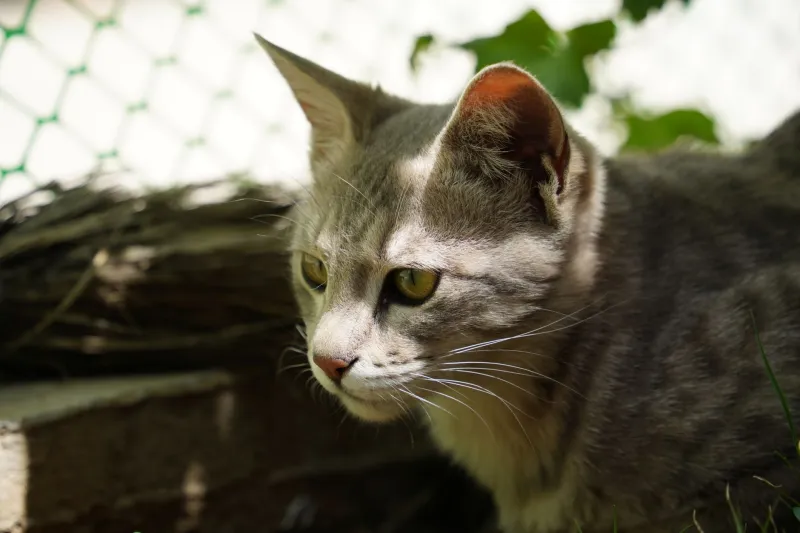
For decades, the image of a cat slipping out the back door and roaming the neighbourhood at will was just... normal. Cats do that. Everyone knows it. But something is shifting in Alberta, and it's happening one custom-built enclosure at a time.
Catios — enclosed outdoor spaces that give cats fresh air, sunlight, and enrichment without the risks of free roaming — have moved from a niche idea to a genuine trend across the province. From Calgary backyards to Edmonton balconies, these structures are popping up everywhere. And for those of us in the business of helping reunite lost pets with their families, the rise of catio culture is worth paying close attention to.
What Exactly Is a Catio?
If you haven't seen one yet, a catio is essentially a secured outdoor enclosure attached to your home (or freestanding in your yard) that allows your cat to experience the outdoors without being able to wander off — or encounter the many hazards that come with unrestricted outdoor access. They range from small window-box styles that barely extend past the sill to elaborate multi-level structures with tunnels, shelves, and weather protection.
The concept isn't brand new, but it's gained serious momentum over the past few years. Online communities dedicated to catio design have exploded in membership, local Facebook groups in Edmonton and Calgary regularly feature DIY builds, and a handful of Alberta-based contractors now offer custom catio installation as a dedicated service.
"I started building them as a side project and now it's basically a full-time thing," says one Calgary-area contractor who asked to be identified only by his first name, Derek. "People want their cats to have a good life, but they're also scared. The traffic, the coyotes — in Alberta, there are real threats out there."
He's not wrong. Urban coyote activity is well documented in both Calgary and Edmonton, and vehicle traffic remains one of the leading causes of injury and death for outdoor cats across the province.
A Shift in How We Think About Cat Freedom
There used to be a cultural assumption that cats need to roam — that keeping them inside or restricted was somehow unkind. That thinking is changing, and veterinarians are a big part of why.
"We've known for a long time that outdoor cats face significantly higher risks," says Dr. Anita Sohal, a small animal veterinarian practising in the Edmonton area. "Injuries, infectious disease, parasites, predation — the list is long. What's different now is that cat owners are actually receptive to that message in a way they weren't before. Catios give people a middle path. Their cat gets enrichment, they get peace of mind."
That peace of mind extends to something many cat owners don't think about until it happens: what to do when a cat goes missing.
Indoor-Only vs. Indoor-Outdoor: The Recovery Gap
Here's something we see regularly at Alberta Lost Pet Locator — the recovery process for a missing cat looks very different depending on that cat's lifestyle.
Cats who are strictly indoors and somehow escape are typically terrified. They're not used to being outside. They tend to stay close to home, hide in tight spaces, and freeze rather than flee. That actually works in their favour during a search. They're usually found within a few blocks, often within 24 to 48 hours, if owners act quickly and search the immediate area thoroughly.
Cats who regularly roam outdoors are a different story. They're comfortable covering distance. They know the neighbourhood, which means they might head to a favourite spot that's six blocks away. They're also more likely to be mistaken for a community or stray cat by well-meaning neighbours who don't realize someone is looking for them. Outdoor cats can travel further before anyone notices they're "missing" rather than just "out."
The catio changes this equation in an interesting way. A cat that spends its outdoor time in an enclosed space gets the sensory experience of being outside — the smells, the sounds, the stimulation — without developing the habit of wandering. If that cat does escape, it may actually behave more like an indoor cat: disoriented, close to home, and easier to locate.
"I've had clients whose catio cats slipped out accidentally, and they were found within hours hiding under the deck," Dr. Sohal notes. "They weren't used to the full outdoor environment. That's not always a bad thing in a recovery situation."
The Prevention Angle Nobody Talks About
Catios are usually framed as a quality-of-life or safety solution, but they're also one of the most effective lost-pet prevention tools available. A cat that's never allowed to roam freely is a cat that never develops an escape route in its mental map of the world.
Derek, the Calgary contractor, has heard this feedback from clients more than once. "People come back to me after a few months and say they used to lose their cat all the time — they'd be gone for days. Now they know exactly where the cat is. It sounds simple but it changes everything."
For Alberta owners who live near busy roads, in areas with active wildlife corridors, or in communities where coyote sightings are common, a catio isn't just a lifestyle upgrade. It's a practical risk-reduction strategy.
Building a Catio in Alberta: Practical Considerations
Alberta's climate does throw a few curveballs at the catio concept. Winters are long, and most structures aren't usable year-round without modifications. That said, many owners build heated or insulated sections, or simply limit catio access to the warmer months while relying on window perches and indoor enrichment through winter.
Permit requirements vary by municipality. In Calgary and Edmonton, small freestanding structures typically don't require permits, but anything attached to the house or over a certain square footage might. It's worth checking with your local municipality before you build.
Costs range widely — from a few hundred dollars for a basic DIY window enclosure to several thousand for a custom multi-level structure with tunnels and weatherproofing. Online plans are plentiful and many Alberta cat owners share their builds in local community groups.
What This Means for the Broader Community
The catio movement reflects something bigger: a growing sense of responsibility among pet owners about the impact their animals have — on wildlife, on neighbours, and on themselves. Municipalities across Canada have started exploring or implementing policies around outdoor cat access, and community conversations about feline free-roaming are becoming more common.
For anyone who's ever spent a sleepless night posting flyers and knocking on doors looking for a missing cat, the appeal of a catio is obvious. It's not about restricting your cat's life — it's about making sure that life is long, safe, and spent with you.
If your cat is currently an indoor-outdoor roamer and you're thinking about making a change, the transition takes patience. Gradual introductions to the catio, combined with increased indoor enrichment, help most cats adjust. Your vet can offer specific guidance based on your cat's age and temperament.
And if your cat is already lost? Check out our recovery resources. We're here to help.