Shelter Visits, Missed Calls, and Lost Time: Why Alberta's Pet Recovery System Has a Communication Problem
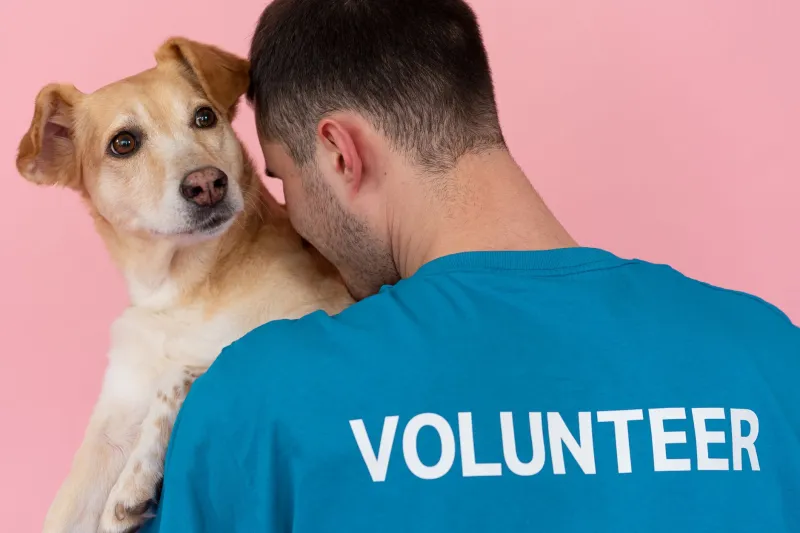
You've posted on Facebook. You've walked your neighbourhood until your feet hurt. You've called your local shelter twice. And yet, somewhere across town, a rescue volunteer may have your dog in a foster home — with no idea you're looking.
This isn't a rare scenario. It's a structural problem baked into how Alberta's animal welfare system currently operates. And understanding it might be the most important thing you do if your pet ever goes missing.
A Patchwork System With No Central Thread
Alberta doesn't have a single unified database connecting municipal shelters, private rescues, breed-specific organizations, and independent finders. What exists instead is a loose network of individual platforms, social media groups, and internal intake systems that rarely speak to one another in real time.
Municipal shelters — like those run by Calgary Animal Services or Edmonton Animal Care and Control — operate under their own intake protocols and typically maintain their own online lost-and-found listings. These are updated regularly, but they only reflect animals that physically arrive at that facility. A dog picked up by a Good Samaritan in Spruce Grove and handed off to a local rescue? That animal might not appear anywhere in a shelter's system.
Private rescues, meanwhile, often run on volunteer power and shoestring budgets. They're doing extraordinary work, but they're not always plugged into municipal databases — and municipal shelters aren't always reaching out to them either.
Why Rescues and Shelters Don't Always Talk
It's not that these organizations don't care. Most people working in Alberta's animal welfare sector are deeply committed to reuniting pets with their families. The problem is systemic, not intentional.
First, there's the resource gap. Many rescues rely entirely on volunteers who are juggling intake, vet appointments, foster coordination, and adoption inquiries simultaneously. Cross-referencing lost pet reports from multiple platforms isn't always feasible when someone's also bottle-feeding a litter of kittens at midnight.
Second, there's no mandated reporting framework. Unlike some American states that have explored centralized lost-and-found registries, Alberta has no provincial requirement for rescues or private finders to log found animals into a shared system. Each organization builds its own process.
Third, the sheer volume of platforms creates noise. A found dog might be posted in one Facebook group while the owner is searching in a completely different one. Someone doing the right thing by reporting a stray to a rescue in their area may not think to also post on the municipal shelter's website — and vice versa.
The Gaps That Hurt the Most
The situations where this fragmentation causes the most harm tend to follow a few common patterns.
The transport gap. A pet is found in one municipality but transported to a rescue in another. The owner is searching locally and never thinks to contact organizations 40 kilometres away.
The timing gap. A shelter updates its found animal listings every 24 to 48 hours. A lot can happen in that window — including an animal being transferred, reclaimed by a different party, or moved to a foster home.
The intake gap. Some animals are brought directly to rescues rather than shelters, especially if the finder has a prior relationship with a specific organization. These animals may not appear in municipal databases at all.
The follow-up gap. Owners who reported their pet missing to a shelter weeks ago may not realize they need to call back regularly. Staff turnover and high intake volumes mean that a report filed in week one isn't always top of mind in week three.
What You Can Do Right Now
Knowing the system is fragmented doesn't mean you're powerless. It means you need to cast a wider net than you might have assumed.
Contact every shelter within a reasonable radius, not just the closest one. If you're in Edmonton, that means reaching out to surrounding county shelters as well. Pets travel farther than owners expect, and so do the people who find them.
Make a list of local rescues and contact them directly. Breed-specific rescues, general rescues, and even cat-focused TNR organizations may have information about your pet that hasn't made it to a shelter database. A quick phone call or message goes a long way.
Ask shelters specifically about animals in foster care. When a shelter is at capacity, animals are sometimes placed with approved foster families. These animals may not appear on the shelter's public listing. Always ask whether any recent intakes have been placed externally.
Register your missing pet on multiple platforms simultaneously. Alberta Lost Pet Locator, Petcentric, local Facebook groups, Kijiji, and your municipal shelter's lost pet form are not interchangeable — they reach different audiences. Use all of them.
Follow up weekly, not just once. A single phone call to a shelter isn't enough. Call back every five to seven days. Politely reintroduce yourself and your pet. Staff change, records get buried, and a fresh call can surface information that wasn't available before.
What Better Coordination Could Look Like
This isn't an unsolvable problem. Several animal welfare communities across North America have piloted shared intake databases that allow shelters, rescues, and even veterinary clinics to log found animals in one place — accessible to anyone searching for a missing pet.
In Alberta, even a voluntary shared registry among major rescues and municipal shelters could dramatically reduce the number of animals that slip through the cracks. Regular communication channels between organizations — even a shared email list or a monthly coordination call — would help.
Advocacy matters here too. If you're a pet owner who has experienced this gap firsthand, sharing your story with local animal welfare organizations and elected officials helps build the case for better systems. Reuniting families with their pets faster isn't just good for those families — it reduces strain on shelters, lowers euthanasia risk for unclaimed animals, and strengthens community trust in the welfare system overall.
The Bottom Line
The people working in Alberta's shelters and rescues are not the problem. The problem is a system that was built incrementally, organization by organization, without a shared infrastructure underneath it. Until that changes, the responsibility falls on pet owners to bridge the gaps themselves — by searching broadly, following up persistently, and refusing to assume that one phone call covered all the bases.
Your pet is out there. Make sure every possible door is open.