The Behind-the-Scenes Network Working to Bring Alberta's Lost Pets Home
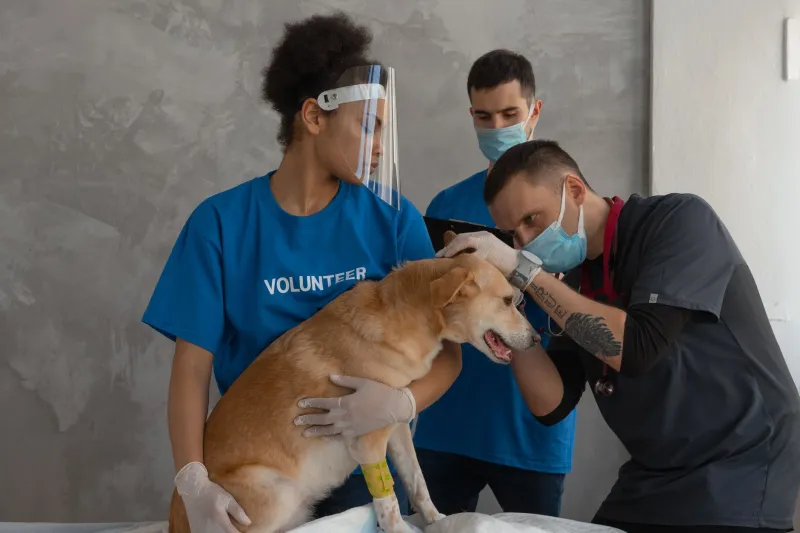
When your pet disappears, it can feel like you're completely on your own — posting flyers in the rain, refreshing social media feeds, calling shelters one by one. But behind the scenes, across this province, there's a surprisingly connected web of organizations, volunteers, and professionals who are often already working on your behalf. Most pet owners just don't know how to find them, or how to plug into what they're already doing.
Let's pull back the curtain on how Alberta's animal welfare community actually operates when a pet goes missing — and how you can make that network work harder for you.
Shelters Are the First Stop — But Not the Only One
The instinct to call your local shelter is correct. Municipal animal services and humane societies across Alberta — from the Edmonton Humane Society to the Calgary Humane Society to smaller regional facilities — are typically the first places a found animal ends up. Staff scan for microchips, log intake descriptions, and (in many cases) photograph incoming animals.
But here's what a lot of people don't realize: shelters don't always talk to each other automatically. A dog picked up in Spruce Grove might be held at a different facility than where someone in Edmonton is calling to search. Animals can cross municipal lines. People who find pets sometimes drive them to the nearest vet or shelter, which might not be the one closest to where the pet was lost.
This is why calling multiple shelters in your region — not just the closest one — matters more than most owners expect. Intake staff at many Alberta shelters will tell you the same thing: owners sometimes find their pets at facilities they never thought to contact.
How Rescue Groups Fill the Gaps
Alberta has a dense landscape of breed-specific and general animal rescue organizations. Groups like Alberta Animal Rescue Crew Society (AARCS), Lethbridge Animal Services, and dozens of smaller regional rescues often serve as connective tissue between shelters, foster networks, and the public.
Rescue coordinators frequently monitor lost-and-found boards, share posts within their volunteer networks, and act as informal clearinghouses for information. If a volunteer spots a stray that matches a missing pet's description, word can travel fast through these channels — sometimes faster than official shelter systems.
Many rescues also maintain relationships with rural communities and First Nations reserves, where stray animals sometimes end up and where traditional shelter infrastructure may be limited. These community ties extend the search radius in ways that a simple shelter call never could.
Vet Clinics: An Overlooked Link in the Chain
Veterinary clinics are a critical — and often underused — part of the lost pet network. When someone finds a hurt or stray animal, a vet clinic is frequently where they turn first. Clinics can scan for microchips and often keep informal records of animals brought in by Good Samaritans.
Many Alberta vet clinics will also post lost pet notices in their waiting rooms or share them through their own client communications. If your practice has a Facebook page or email newsletter, ask them directly to share your pet's information. The relationship between a vet office and its clients is genuinely local — these are people in your neighbourhood who care about animals.
Some clinics have also started participating in regional lost pet databases, flagging incoming strays against active missing pet reports. It's not universal yet, but it's growing.
The Role of Online Communities and Facebook Groups
Alberta has a thriving ecosystem of community Facebook groups dedicated specifically to lost and found pets. Groups organized by city, county, or region — covering everything from the Peace Country to the Crowsnest Pass — function as real-time bulletin boards where sightings, found animals, and missing pet posts get shared rapidly.
What makes these groups powerful isn't just the audience size — it's the local knowledge. A member who lives two blocks from where your cat was last seen might recognize the yard described in a sighting report. A farmer outside of Okotoks might spot a lost dog on their property and know exactly which community group to post in.
Shelter staff and rescue volunteers often monitor these groups, too, creating an informal feedback loop between official channels and community networks. A post in the right group can reach a shelter intake worker, a rescue coordinator, and fifty neighbours simultaneously.
How Alberta Lost Pet Locator Connects to This Network
Alberta Lost Pet Locator was built specifically to function as a hub within this broader ecosystem. When you post a missing or found pet on our platform, that listing becomes a searchable, shareable resource that can be cross-referenced by shelters, rescue volunteers, and community members across the province.
We actively encourage owners to post on our platform in addition to contacting shelters and joining local Facebook groups — not instead of. The goal is to be one more point of contact in a network that works best when all its parts are firing at once.
What You Can Do to Activate the Network
Knowing the network exists is one thing. Knowing how to activate it is another. Here's a practical approach:
Day one:
- File a report with your local municipal animal services and the nearest humane society
- Post on Alberta Lost Pet Locator with clear photos and a detailed description
- Join and post in local Facebook lost/found pet groups for your city or county
Days two and three:
- Call shelters in adjacent municipalities — pets travel farther than owners expect
- Contact breed-specific rescues if applicable; they often have strong local networks
- Visit (don't just call) your nearest shelter to look through intake animals in person
- Ask your vet clinic to share your pet's information with their clients
Ongoing:
- Update your posts regularly with new sightings or information
- Thank people who share — it encourages continued engagement
- Check shelter intake pages daily; new animals arrive constantly
The Network Works Best When You Work It
Alberta's animal welfare community is genuinely collaborative. Shelter workers, rescue volunteers, vet staff, and community members often go well beyond their job descriptions when a pet is missing. But that network needs a thread to pull — and that thread is you, showing up consistently, sharing information widely, and making it as easy as possible for the right person to connect a found animal back to you.
You're not searching alone, even when it feels that way. The network is out there. Now you know how to find it.