Hour by Hour: What the First 72 Hours Really Look Like When a Pet Goes Missing in Alberta
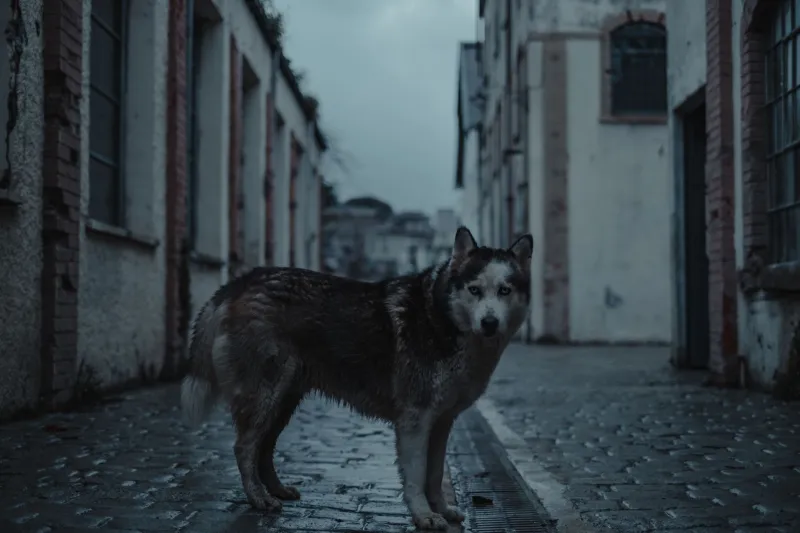
When a pet goes missing, it's easy to feel like time is just slipping away. And honestly? That instinct is right. Research on pet recovery consistently shows that the first 72 hours carry the highest probability of reunion — but not all of those hours are equal. What works at hour two might be the wrong strategy by hour thirty. Understanding the rhythm of those three days can genuinely change the outcome.
Here's a realistic breakdown of what tends to happen — and what you should be doing — at each stage of that critical window.
Hours 0–6: The Panic Zone (Yours, Not Just Theirs)
The moment you realize your pet is gone, your instinct is probably to run outside and start calling their name. That's a reasonable first move, but it can't be your only one.
In these first few hours, your pet is most likely still close to home. Dogs especially tend to move in a relatively predictable radius in the early stages — often within a few blocks, following scent trails or reacting to sounds. Cats are even more likely to be nearby, potentially hiding under a deck, in a garage, or tucked behind something in your own yard.
What this phase calls for:
- A systematic search of your immediate surroundings. Don't just walk around calling. Get low, check under porches, behind sheds, inside any open structures.
- Alert your neighbours right now. Knock on doors. Ask people to check their yards. The more eyes you activate early, the better.
- Post to Alberta Lost Pet Locator and local Facebook groups immediately. The faster your pet's photo and description are circulating, the sooner someone who spots them knows who to contact.
One thing to keep in mind: if the weather is already cold — and in Alberta, it often is — hypothermia risk for small dogs and short-haired breeds can start becoming a factor within hours. Don't wait until morning to start looking.
Hours 6–24: The Behaviour Shift Begins
As the hours pass without finding shelter or familiar scent anchors, most pets start moving differently. Dogs that were initially reactive and running may begin to slow down and settle into a hiding spot. Cats, who often freeze in place initially, may start relocating as foot traffic increases during daylight.
This is also when the psychology of fear starts working against you. A dog that knows you perfectly well may not come when called if they're in a panicked or shut-down state. It's counterintuitive, but a stressed dog can flee from their own owner. This is especially common with shy or anxious dogs, and it's one of the reasons why simply walking around calling a pet's name is often less effective than it sounds.
What this phase calls for:
- Set up a scent station near your home. Leave out worn clothing, your pet's bedding, or even their food bowl near where they were last seen. Familiar smells can draw them back, especially overnight when foot traffic dies down.
- Expand your physical search radius gradually. Think about terrain — in Alberta, this might mean checking coulees, river valley edges, overgrown fields, or the margins of rural roads depending on where you live.
- Contact local shelters and vets directly. Don't just post online. Phone them. In many Alberta communities, intake processes don't always result in immediate online listings.
Hours 24–48: The Search Gets Harder — and More Strategic
By the second day, the urgency starts to feel overwhelming, but this is actually when a more methodical approach pays off. Your pet has now potentially moved further from home, and the search needs to reflect that.
Alberta's geography adds a layer of complexity here that people in more urban provinces don't always face. If you're in Edmonton or Calgary, your pet is likely still navigating urban or suburban terrain — which means more people who might spot them, but also more hazards like traffic. In smaller cities, towns, or rural areas, the landscape opens up fast. A dog that crosses into agricultural land or brushland can cover surprising distances, and the recovery challenge shifts significantly.
This is also when weather becomes a more serious variable. A cold snap, a snowstorm, or even a warm Chinook that creates muddy, confusing terrain can all affect where your pet goes and how easily they can be found. Alberta's weather doesn't wait for convenient timing.
What this phase calls for:
- Distribute physical flyers in a wider radius. Yes, physical paper flyers — in laundromats, at vet clinics, in feed stores, at community mailboxes in rural areas. Not everyone is on social media.
- Consider humane traps. If your pet is confirmed in a general area but won't approach people, a baited live trap can be the difference between a recovery and a prolonged search. Many humane societies and rescue groups in Alberta can help with trap loans.
- Update your online listings with new details. If there have been sightings, note the location and time. This helps community members understand where to focus their attention.
Hours 48–72: The Critical Crossroads
By the third day, recovery odds are still meaningful — but they do begin to shift. Pets that haven't been located by now are often in one of a few situations: they've found temporary shelter somewhere and are staying put, they've been picked up by a well-meaning person who hasn't yet reported them, or they've moved into more challenging terrain.
This phase is also when emotional exhaustion sets in for owners, and that's when searches tend to lose momentum at exactly the wrong time. Keeping your network engaged matters — update your posts, thank people who've shared, and keep the information fresh in people's feeds.
What this phase calls for:
- Don't scale back — shift tactics. If active searching hasn't worked, focus more on passive recovery: traps, scent stations, consistent monitoring of areas where sightings have been reported.
- Contact Alberta Lost Pet Locator to keep your listing visible and current. Active listings with recent updates get more engagement than ones that go quiet.
- Reach out to rural neighbours and acreage owners if there's any chance your pet has left town. In Alberta, a lost pet can cross from suburb to open country faster than most people expect.
After 72 Hours: Don't Give Up
Pets have been reunited with their families weeks, months, and in some cases years after going missing. The 72-hour window is critical, but it's not a deadline. Plenty of Alberta families have gotten that call long after they thought hope was gone.
What changes after the first three days is mostly strategy. Active daily searching gives way to maintained listings, periodic trap checks, and keeping your community network warm. It's a different kind of effort — less frantic, but just as important.
If your pet is missing right now, start with the first six hours. Do the immediate things. Then work your way through the timeline, adjusting as you learn more. And remember — you're not doing this alone. Alberta's pet recovery community is real, active, and ready to help.