Scanned but Still Lost: Why a Microchip Means Nothing If Your Registry Info Is Out of Date
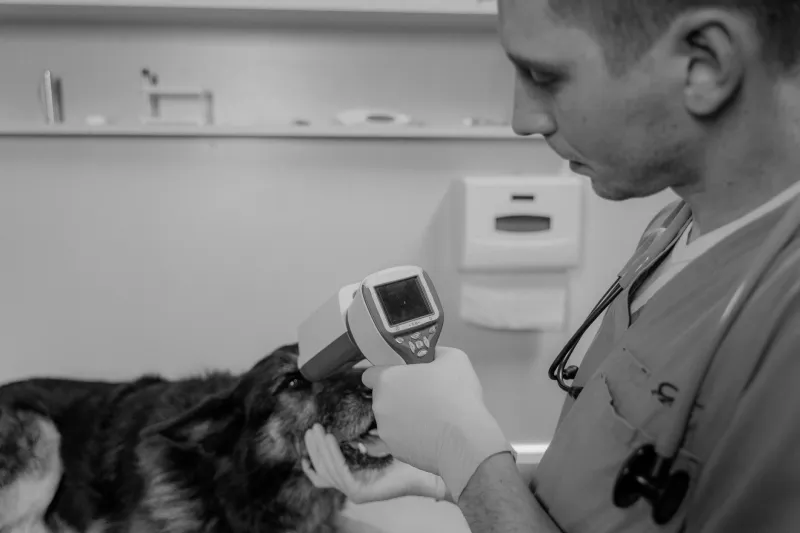
Let's say your dog slips out of the yard on a Tuesday afternoon. By Thursday, someone kind has found him, brought him to a local vet clinic, and had him scanned. The chip lights up. There's a number. Staff run it through the database — and hit a dead end. The phone number goes to voicemail for a business that no longer exists. The address is three provinces away. The email bounces.
Your dog sits in a shelter kennel while you're still out posting flyers.
This scenario happens more often than most Alberta pet owners realize. Microchipping has become nearly standard practice, and that's genuinely great news. But the chip itself is just a piece of hardware — a passive radio-frequency tag the size of a grain of rice. It doesn't broadcast a signal, it doesn't connect to GPS, and it doesn't automatically update when you move or change your phone number. The chip is only as useful as the registry record attached to it.
Why So Many Registry Records Go Stale
There's no single reason pet owners end up with outdated microchip records — it's usually a combination of life getting busy and the registration process being a little confusing to begin with.
One of the most common issues is that owners assume registration happened automatically when the chip was implanted. In reality, the vet or shelter that implanted the chip may have registered it in their own system, but that doesn't mean the information ever made it to a national or provincial database. Some clinics handle registration on the owner's behalf; others hand over a certificate and leave it to the pet owner to complete the process themselves. A lot of those certificates end up in a junk drawer, never followed up on.
Then there's the issue of multiple databases. Canada doesn't have a single unified pet microchip registry. There are several major ones — including the Canadian Veterinary Medical Association's PetLynx, 24PetWatch, HomeAgain, and Found Animals, among others — and a chip registered in one won't necessarily show up in a search of another. A vet or shelter worker who runs a scan and checks only one database might conclude the chip is unregistered, even if the owner did register it somewhere else.
And of course, life changes. People move. Phone numbers change. Email addresses get abandoned. A chip registered when someone lived in Calgary might still show that Calgary address five years after they relocated to Red Deer or Lethbridge. Nobody sends a reminder to update your pet's microchip record when you change your address with Canada Post.
What Alberta Shelters and Vets Are Up Against
Staff at Alberta shelters and veterinary clinics do their best to trace microchips, but the fragmented registry landscape makes it genuinely difficult. When a chip number comes back with incomplete or conflicting information, there's no simple escalation path. Workers may check two or three databases, make a couple of phone calls, and — if nothing pans out — move the animal into the intake process.
That's not a failure of effort. It's a structural problem with how pet microchip data is managed across the country. Without a centralized, mandatory registry that's kept current, the system relies entirely on individual pet owners staying on top of their own records. And most people just don't think about their pet's microchip again after the day it's implanted.
How to Actually Check and Fix Your Pet's Registry Information
The good news is that verifying and updating your microchip record doesn't take long. Here's a practical approach:
Step 1: Find your chip number. If you don't have it written down, your vet should have it on file. It's also worth having your vet scan your pet during a regular visit to confirm the chip is still in place and readable — chips can occasionally migrate or, rarely, stop functioning.
Step 2: Run a lookup. The AAHA Universal Pet Microchip Lookup Tool (petmicrochiplookup.org) searches across multiple registries at once and is a solid starting point. Type in your chip number and see what comes back — or doesn't.
Step 3: Check each registry directly. If your chip shows up in a registry but the information looks old, log into that registry's website and update it. If you can't remember your login, most registries have account recovery options. If your chip doesn't appear in any registry at all, register it now — many registries offer free basic registration.
Step 4: Consider a universal registry. Some owners choose to register their pet's chip in more than one database to increase the chances of being found regardless of which system a shelter or vet uses. It takes a bit of extra time upfront but significantly improves your odds.
Step 5: Set a reminder. Treat your microchip registry like any other important account. Any time you move, change your phone number, or update your email, add "update pet microchip record" to your moving checklist.
The Details That Actually Matter
When you're reviewing or updating your registry record, make sure the following information is current and complete:
- Primary phone number — the one you actually answer, not a landline you barely use
- Secondary contact — a trusted person who can be reached if you're unavailable
- Current address — including your province and postal code
- Email address — one you check regularly
- Pet's description — breed, colour, distinguishing markings
- Veterinary clinic contact — some registries allow this as an additional point of contact
It's also worth noting your pet's chip number somewhere you can access it quickly — a note in your phone, a document in your email, or as part of a pet emergency kit. If your pet goes missing and you need to file a report or alert local shelters, having that number on hand speeds everything up.
A Small Update That Makes a Big Difference
Microchipping is one of the most reliable tools we have for getting lost pets home. Alberta shelters, vet clinics, and rescue organizations all have scanners, and most will check a found animal as a matter of routine. But the chip is just the beginning of the chain — the registry record is where reunions actually happen or fall apart.
Taking twenty minutes to verify your pet's microchip information today is one of the simplest, most effective things you can do for their safety. It won't cost you anything, it won't take up much of your afternoon, and it could be the difference between a panicked week of searching and a phone call that brings your pet home by dinner.
If you're not sure where to start, reach out to your vet — they can pull your pet's chip number and often help you navigate the registry process. And if you're already connected with Alberta Lost Pet Locator, make sure your pet's profile here is equally up to date. Every layer of accurate information is another path home.