Your Pet's Nose Knows the Way Home: Using Scent as a Recovery Tool
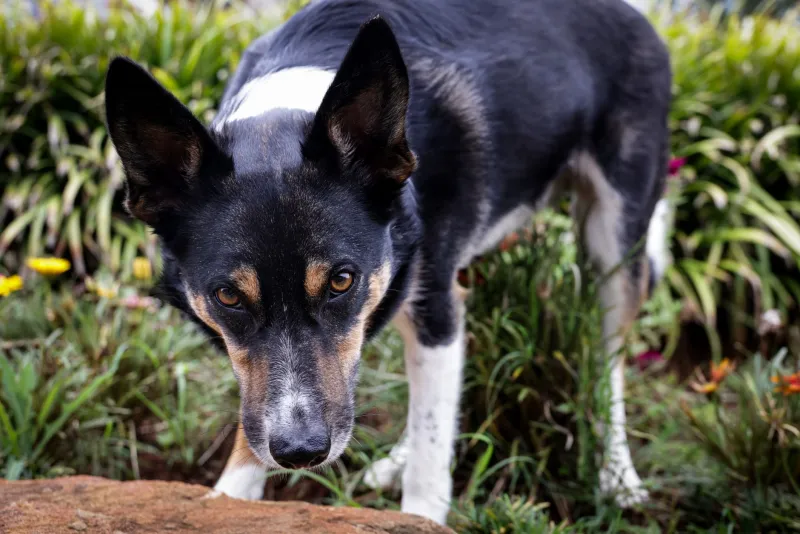
When a pet disappears, the instinct is to act fast and act loud — post everywhere, print flyers, drive the neighbourhood. All of that matters. But there's a quieter, science-backed strategy that too many Alberta pet owners skip entirely: using scent.
Animals navigate the world primarily through smell. A lost dog or cat isn't just visually scanning for familiar landmarks — they're sniffing for them. And here's the thing: you can use that to your advantage, starting right now, from your own backyard.
Why Scent Works Differently Than You Think
Lost pets — especially cats and smaller dogs — often don't travel as far as their owners assume. Research on stray animal behaviour consistently shows that many lost pets stay within a few blocks of where they went missing, hiding in a stressed, survival-focused state. They're not necessarily lost in the traditional sense. They're scared, and they're waiting for something familiar to pull them back.
That "something familiar" is almost always smell.
A pet that's too frightened to respond to your voice calling from across the street might still be drawn, slowly and cautiously, toward the scent of their own bedding, your worn clothing, or even their food bowl sitting on the front step.
This isn't folk wisdom — it's grounded in what we know about how animal olfaction works. Dogs have up to 300 million scent receptors compared to a human's 6 million. Cats aren't far behind. A familiar smell can cut through fear in a way that a familiar face or sound sometimes can't.
Setting Up a Scent Station at Home
One of the simplest things you can do is create a scent anchor near your home — ideally as close to where your pet was last seen as possible.
Here's what to put out:
- Your pet's unwashed bedding — the more it smells like them, the better. Their own scent is grounding and can signal safety.
- Worn clothing from their favourite person — a T-shirt you've slept in, a hoodie you wear regularly. Your smell is a comfort signal.
- Their food and water bowls, ideally with food inside. Hunger is a powerful motivator, and the smell of their regular food carries further than you'd expect on a calm night.
- Used litter (for cats) — this one surprises people, but placing a small amount of your cat's used litter near the door or along the fence line broadcasts a territorial scent marker that can help a lost cat reorient toward home.
Leave these items in place and check them regularly — early morning and late evening are prime times, since many lost pets move at night when foot traffic is low.
How Alberta's Weather Affects Scent Dispersal
This is where things get a bit more tactical, especially if you're in Alberta.
Scent travels on air currents, and Alberta's weather is — to put it kindly — unpredictable. What works on a calm, mild evening in Calgary's inner city is going to behave very differently during a chinook, a prairie windstorm, or a minus-30 cold snap in the Peace Country.
Wind: Scent disperses rapidly in windy conditions, which means your scent station might attract a lost pet from further away — but it also means the window is shorter. On high-wind days, anchor your items so they don't blow away, and consider placing them in a slightly sheltered spot (against a fence, under a porch overhang) where the scent can pool rather than scatter immediately.
Cold: In frigid Alberta winters, scent molecules move more slowly and tend to stay closer to the ground. This is actually helpful in one sense — scent lingers longer in cold, dry air. But a pet that's hypothermic or shut down from the cold may not be actively sniffing at all. In winter searches, focus your scent stations on sheltered, south-facing spots where a cold pet might naturally seek warmth.
Rain and snow: Moisture can suppress scent temporarily, but it also washes competing smells away. After a fresh snowfall, a scent station can actually become more prominent. Check your stations after precipitation and refresh the items if needed.
Chinooks: These warm, dry winds unique to southern Alberta can rapidly change scent conditions. If you're in the foothills or along the eastern slopes, be aware that a chinook can carry scent unusual distances — and then shut it down just as fast when the wind shifts.
Working With Scent-Trained Search Dogs
If your pet has been missing for more than 24–48 hours, consider reaching out to volunteer search dog teams. Alberta has a small but dedicated community of handlers with dogs trained specifically in trailing and area searches for lost animals.
These aren't the same as police K9 units — they're often civilian volunteers who've trained their dogs in pet recovery specifically. What they need from you:
- An unwashed item belonging to your pet (bedding, a toy, a collar) sealed in a clean plastic bag. Don't let other people handle it — human scent contamination can confuse a trailing dog.
- Information about where your pet was last seen and the direction they were observed moving, if you know it.
- A rough timeline of when and where the pet was last confirmed present.
Reach out through local lost pet networks, community Facebook groups, and platforms like Alberta Lost Pet Locator to find handlers in your region. In rural areas especially, these volunteers can cover ground that a solo owner simply can't.
Scent and the Human Volunteer Network
Even without a trained search dog, you can brief community volunteers on scent-based search tactics. When organizing a search party, instruct volunteers to:
- Move quietly — a scared pet is more likely to approach a still, quiet person than someone calling loudly
- Sit or crouch down rather than standing tall, which can feel threatening to a frightened animal
- Bring something that smells like home — a piece of your pet's bedding or your own worn clothing — and leave it at any spot where the pet might be sheltering
This is especially useful when searching dense areas like river valley parks, acreage properties, or industrial zones where a pet might be hiding in a culvert or under a structure.
Don't Wait to Start
The window for effective scent-based recovery is widest in the first 48–72 hours. After that, weather, foot traffic, and time start to erode the scent trail. So don't wait until you've exhausted every other option — set up your scent station the same day your pet goes missing, and keep it refreshed daily.
Pairing scent tactics with your alert posts, flyer drops, and registration on Alberta Lost Pet Locator gives you the best possible combination of visibility and biological strategy. Your community can keep their eyes open. Your pet's nose can do the rest.