Why Your Dog Looked Right Through You: The Neuroscience Behind Post-Recovery Behaviour
You spent days — maybe weeks — posting flyers across your neighbourhood, refreshing lost pet alerts at 2 a.m., and driving slow loops around familiar streets with the car window down, calling their name. And then, finally, they're found. Someone calls. You rush over.
And your dog looks at you like you're a stranger.
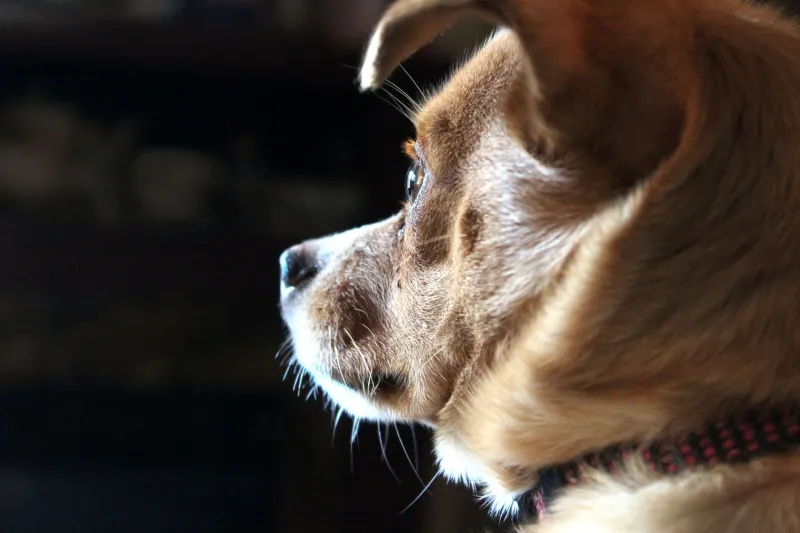
It's one of the most disorienting moments an Alberta pet owner can experience. You know your dog. You raised them. But the animal standing in front of you seems hollowed out, rigid, or completely shut down. They don't come when you call. They flinch when you reach for them. Some owners describe it as looking into the eyes of a dog they've never met.
This isn't betrayal. It isn't stubbornness. What you're witnessing is the neurological aftermath of sustained fear — and understanding what's actually happening inside your dog's brain can change everything about how you approach those first hours and days back together.
What Happens in a Dog's Brain When They're Lost
When a dog goes missing, especially in an unfamiliar or dangerous environment, their nervous system shifts into what behaviourists call a "survival state." The amygdala — the part of the brain that processes threat and fear — essentially takes over. Rational, learned behaviours get pushed aside in favour of instinctive responses: freeze, flee, or fight.
During this period, the brain is flooded with cortisol and adrenaline. These stress hormones are genuinely useful in the short term. They sharpen the senses, suppress hunger, and keep the animal hypervigilant. But sustained exposure to these hormones — over days or weeks — physically changes how the brain functions. Memory consolidation is disrupted. Social recognition becomes unreliable. Even deeply familiar scents and faces can fail to register the way they normally would.
In plain terms: your dog may not fully "recognise" you in those first moments not because they've forgotten you, but because their brain is still running on emergency mode. The part of their mind that holds warmth, trust, and attachment has been temporarily overridden by the part that is simply trying to survive.
The Freeze Response: When Your Dog Goes Completely Still
Many owners report that their recovered dog becomes statue-like — barely blinking, not responding to touch, eating mechanically if at all. This is the freeze response in action, and it's one of the most misread behaviours in post-recovery pets.
Freeze isn't calm. It's the nervous system's last resort when fight and flight both feel impossible. A dog in freeze mode is experiencing extreme internal arousal while appearing outwardly motionless. Pushing through that stillness — forcing cuddles, raising your voice in excitement, or surrounding them with a crowd of well-meaning family members — can tip them into a panic response that feels completely out of nowhere.
If your dog goes still when you first approach them, treat it as a signal, not an invitation. Give them space. Sit nearby on the ground. Let them come to you on their own timeline.
Disorientation Is Real — And It Takes Time to Resolve
Beyond the fear response, lost pets often experience genuine disorientation. Days of navigating unfamiliar territory, sleeping in strange places, and surviving without routine scrambles their internal sense of normalcy. Even coming back to a familiar home can feel overwhelming, because the contrast between what they've been through and the safety of home is so extreme that their nervous system doesn't immediately know how to settle.
Some dogs will pace restlessly. Others will cling to one person and refuse to let them out of sight. Some will regress in house training, not because they've forgotten, but because anxiety disrupts the signals their body sends. Alberta winters add another layer to this — a dog who has been outside in cold conditions for an extended period may also be dealing with physical stress on top of the psychological load.
Expect the readjustment period to take anywhere from a few days to several weeks, depending on how long your pet was missing, what conditions they endured, and their individual temperament.
Why Familiar Smells Matter More Than Familiar Faces Right Now
Here's something that often surprises owners: scent tends to be a more reliable anchor than visual recognition during the recovery period. Even when a dog's fear response is suppressing normal social behaviour, smell can cut through the noise in a way that sight and sound sometimes can't.
When you bring your dog home, resist the urge to bathe them immediately, even if they're dirty. Their own scent — and the scent of your home — acts as a grounding signal. Place unwashed bedding or clothing near where they rest. Let them sniff their own familiar things before you introduce anything new. This isn't just comfort behaviour — it's actively helping their brain re-establish a sense of safety and place.
The Social Reconnection Process: Don't Rush It
One of the hardest things about a post-recovery reunion is resisting the very human urge to pour love all over your pet immediately. You've been scared. You've missed them. Of course you want to hold them close.
But your dog needs to lead this reconnection, not follow it. Overwhelm them with physical affection before they're ready and you risk reinforcing the idea that the world — even home — is unpredictable and intense. Instead, be a calm, consistent presence. Maintain their routine as closely as possible. Feed them at the same times. Keep the household quieter than usual for the first few days.
If you have children or other pets, manage introductions carefully. Even a beloved housemate can feel threatening to a dog whose nervous system is still on high alert.
When to Bring in Professional Support
Most dogs will gradually decompress on their own with time, patience, and a stable environment. But some pets — particularly those who were missing for extended periods or who experienced trauma while away — may need additional support.
Signs that your dog may benefit from professional help include prolonged aggression or fear responses (beyond two to three weeks), significant changes in appetite or sleep, compulsive behaviours like excessive licking or pacing, or complete withdrawal from interaction.
A veterinarian can rule out any physical causes for behavioural changes and may refer you to a certified animal behaviourist. In Alberta, there are professionals who specialise in trauma-informed approaches to pet rehabilitation — don't hesitate to reach out if your gut is telling you something isn't right.
Coming Home Is Just the Beginning
At Alberta Lost Pet Locator, we talk a lot about the search — the alerts, the networks, the strategies for finding a missing animal. But reunion is its own chapter, and it deserves just as much attention.
Your pet survived something genuinely difficult. Their brain changed to help them get through it. Now your job is to help them change back — slowly, gently, and on their terms.
The dog who looked right through you at that first reunion? They're still in there. Give them time, and they'll find their way back to you.